
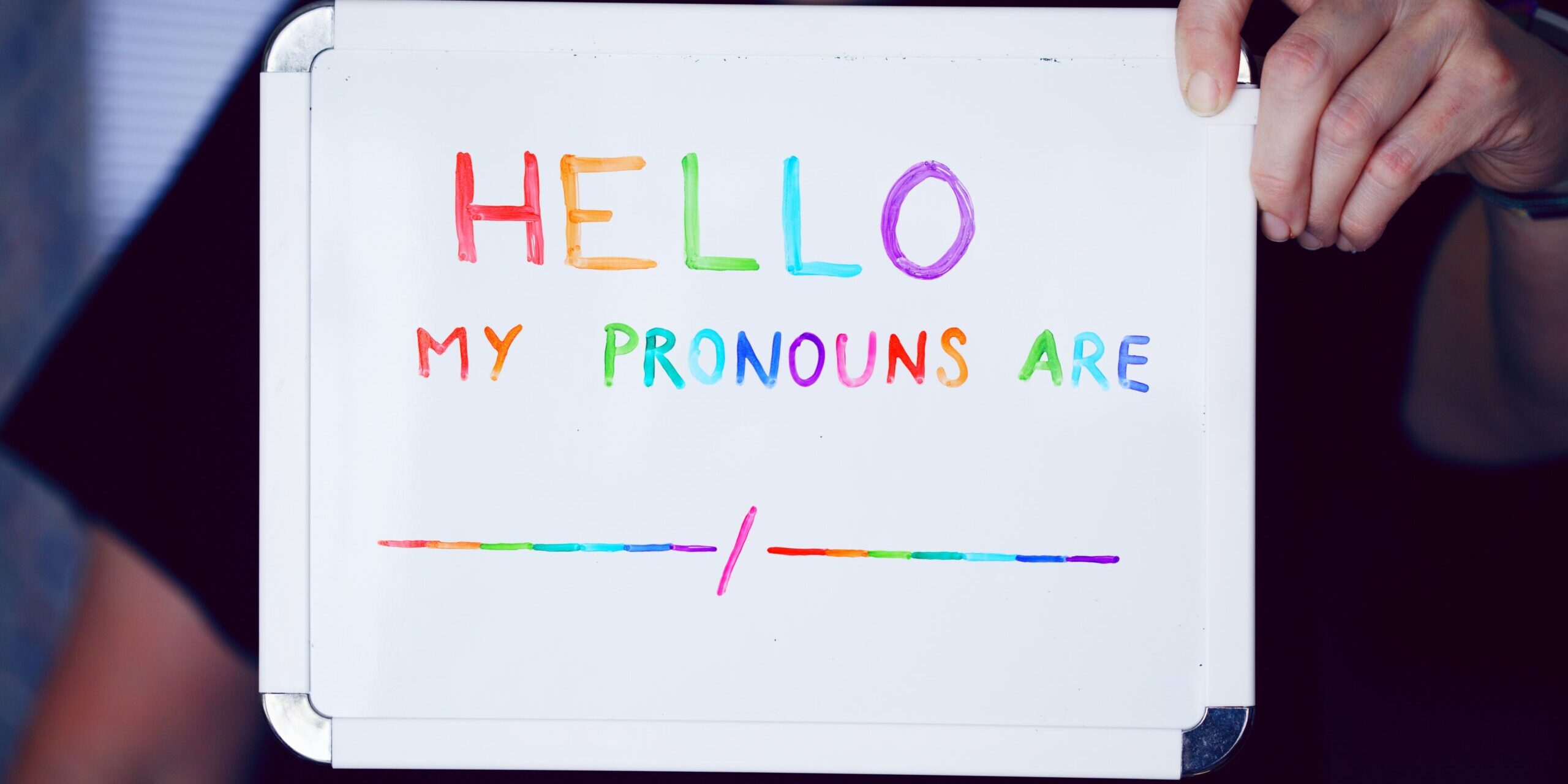
In today’s ever-evolving society, understanding and respecting the use of pronouns is not only a matter of decency but also a profound step toward fostering a culture of inclusivity. As conversations about identity, gender, and self-expression become more prominent, the acceptance of people’s chosen pronouns has emerged as an essential way of showing empathy and understanding. While this may seem like a small gesture, the ripple effect it creates is tremendous, creating a world where everyone feels seen, valued, and respected for who they truly are.
Why Pronouns Matter
Pronouns such as “he,” “she,” “they,” and others serve a crucial role in how we communicate about ourselves and others. For many, these are not just words but reflections of deeply personal identities. When we respect someone’s pronouns, we validate their sense of self and acknowledge the authenticity of their lived experience. It’s a simple way to say, “I see you for who you are.”
For individuals who identify outside the gender binary or have transitioned from their assigned gender at birth, using the correct pronouns is a matter of dignity. Misgendering, even unintentionally, can cause harm. It’s not only about avoiding offense but also about promoting psychological well-being. Research shows that affirming people’s pronouns and gender identities can reduce stress and improve mental health, especially in marginalized communities.
The Power of Language and Change
Language is dynamic and constantly evolving. What once seemed rigid and unchangeable is now shifting to accommodate the diverse experiences of humanity. The rise of gender-neutral pronouns, such as “they/them,” is a reflection of this evolution. Though it may require some unlearning for those unfamiliar, adopting these pronouns is an opportunity to grow and engage more meaningfully with others.
Much like how we’ve adapted to new words and phrases in the digital age, accepting pronouns requires an open mind and a willingness to learn. It’s important to remember that change can feel uncomfortable at first, but embracing this shift is a powerful way to foster a more compassionate world.
Steps to Make Pronoun Use Easier
- Start with Awareness: The first step is to be aware of the importance of pronouns and to understand that they are not just a trend, but a meaningful part of someone’s identity. Take time to educate yourself about the variety of pronouns people use.
- Ask and Listen: If you’re unsure of someone’s pronouns, it’s okay to ask respectfully. A simple question like, “What pronouns do you use?” can go a long way. Listening and honoring their response shows you care.
- Practice Makes Perfect: If you are not used to using certain pronouns, practice them in your daily conversations. Mistakes happen, and if you slip up, a quick, sincere apology followed by using the correct pronouns shows accountability and a genuine effort.
- Lead by Example: In spaces where people may be unsure of how to approach the topic, you can set a positive example by introducing yourself with your own pronouns. This normalizes the practice and encourages others to follow suit.
- Advocate for Inclusivity: Beyond individual interactions, you can advocate for pronoun inclusivity in your workplace, school, or community. Simple changes, like adding pronouns to email signatures or Zoom profiles, create a more welcoming environment for everyone.
The Broader Impact of Pronoun Acceptance
Accepting and using someone’s pronouns is more than just a linguistic change; it’s a societal shift toward acceptance and inclusivity. In a world where people often feel misunderstood or marginalized, being able to affirm their identity can have a powerful impact.
When we embrace people’s pronouns, we’re participating in a movement that challenges harmful stereotypes and broadens our understanding of gender. This doesn’t just benefit those who use diverse pronouns; it fosters an environment where everyone, regardless of their identity, can thrive. It signals that we are moving toward a society where empathy is more important than adhering to outdated norms.
Conclusion
In the modern world, acceptance of pronouns is about far more than politeness—it’s about recognizing the humanity in others. By making an effort to understand and use the correct pronouns, we contribute to creating a society where everyone is treated with respect and kindness. The journey toward inclusivity begins with small, everyday actions. Acknowledging the importance of pronouns is one of the simplest yet most powerful ways to honor the people around us.
By embracing this change, we’re not only uplifting those who need our support—we’re building a more compassionate, accepting world for us all.